What Makes a Coffee ‘Specialty’?

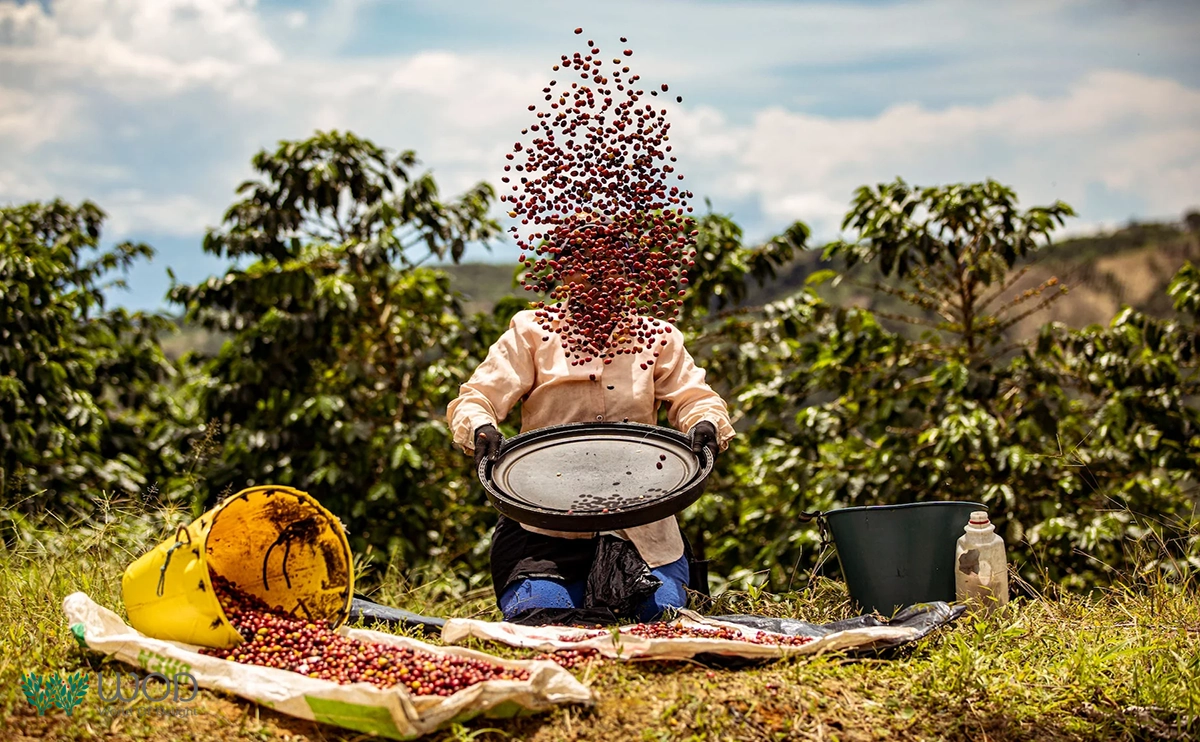
Specialty coffee has become a dominant force in the coffee industry, but its origins are deeply rooted in history. In the early 20th century, coffee was primarily a commodity—grown, harvested, and sold in bulk with little regard for quality or unique flavor characteristics. The first wave of coffee, which began in the late 19th and early 20th centuries, focused on making coffee widely accessible, with brands like Folgers and Maxwell House leading the market. However, mass production often led to a decline in quality.
The Evolution of Specialty Coffee: From Commodity to Craft
The second wave of coffee emerged in the mid-20th century, introducing consumers to higher-quality beans, espresso-based drinks, and the café culture popularized by Starbucks and similar companies. Yet, it wasn’t until the late 20th and early 21st centuries that the third wave—the specialty coffee movement—began to take shape. This shift emphasized quality, traceability, and sustainable farming practices, setting a new standard for coffee production and consumption.
Defining Specialty Coffee: What Sets It Apart?
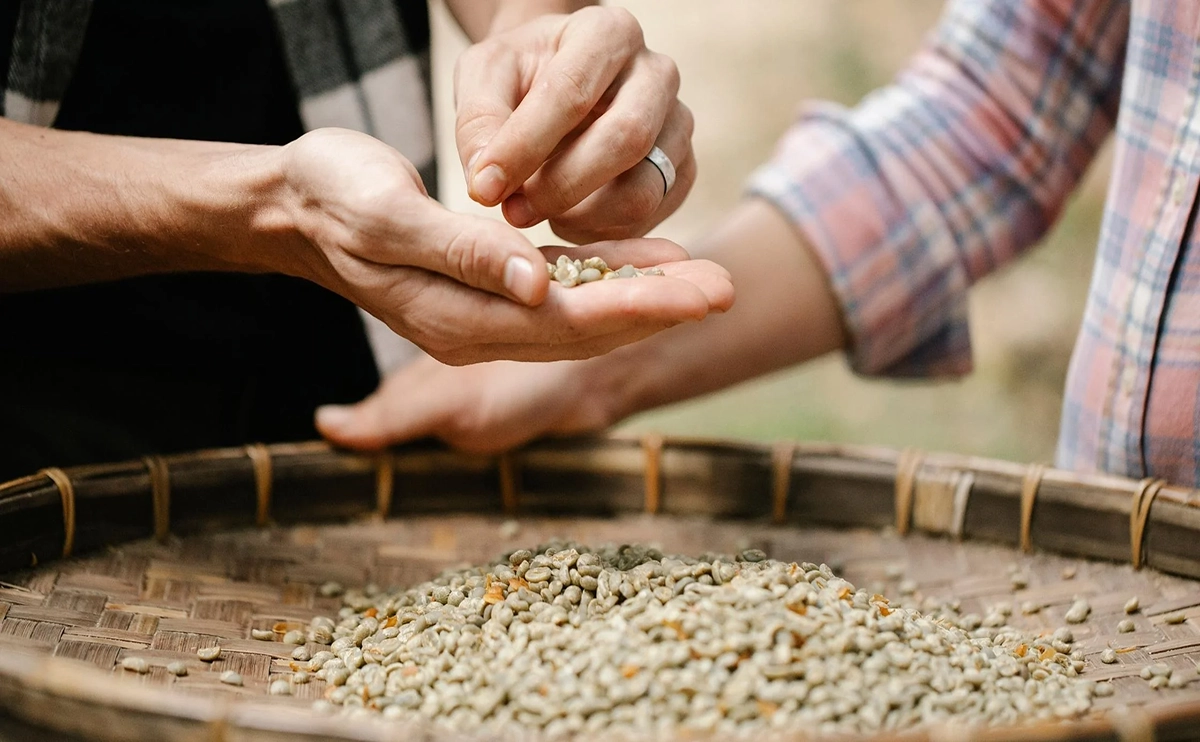
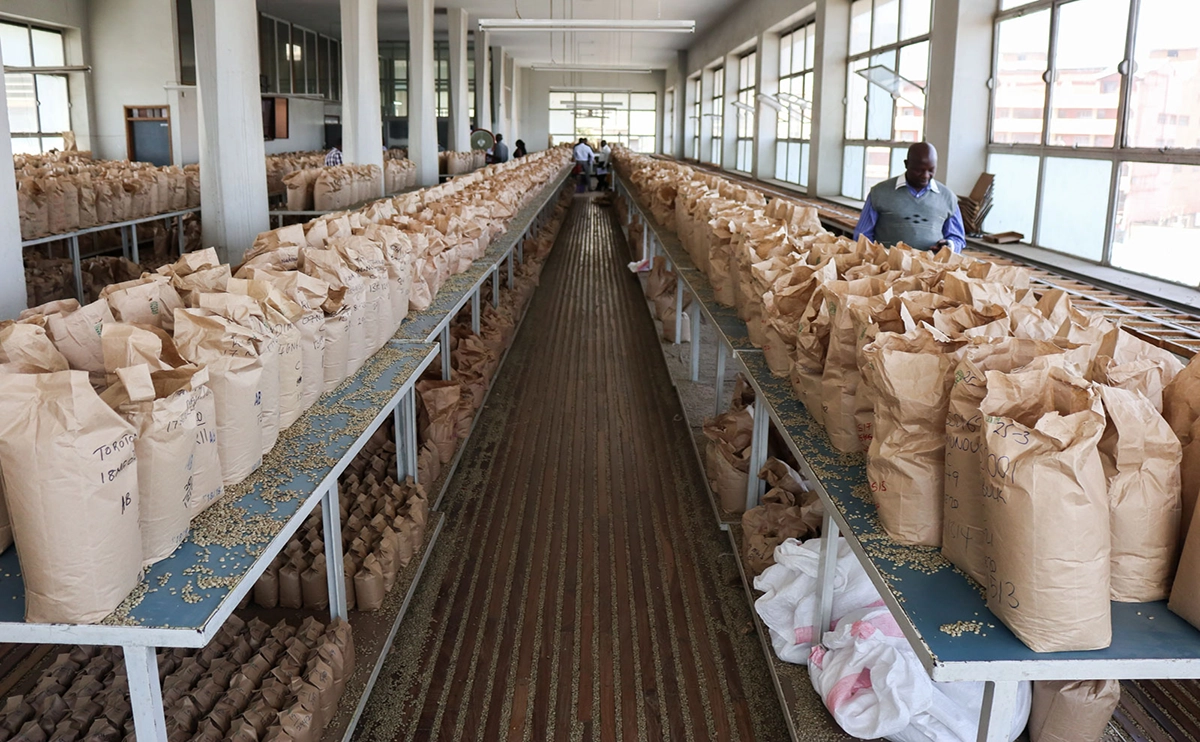
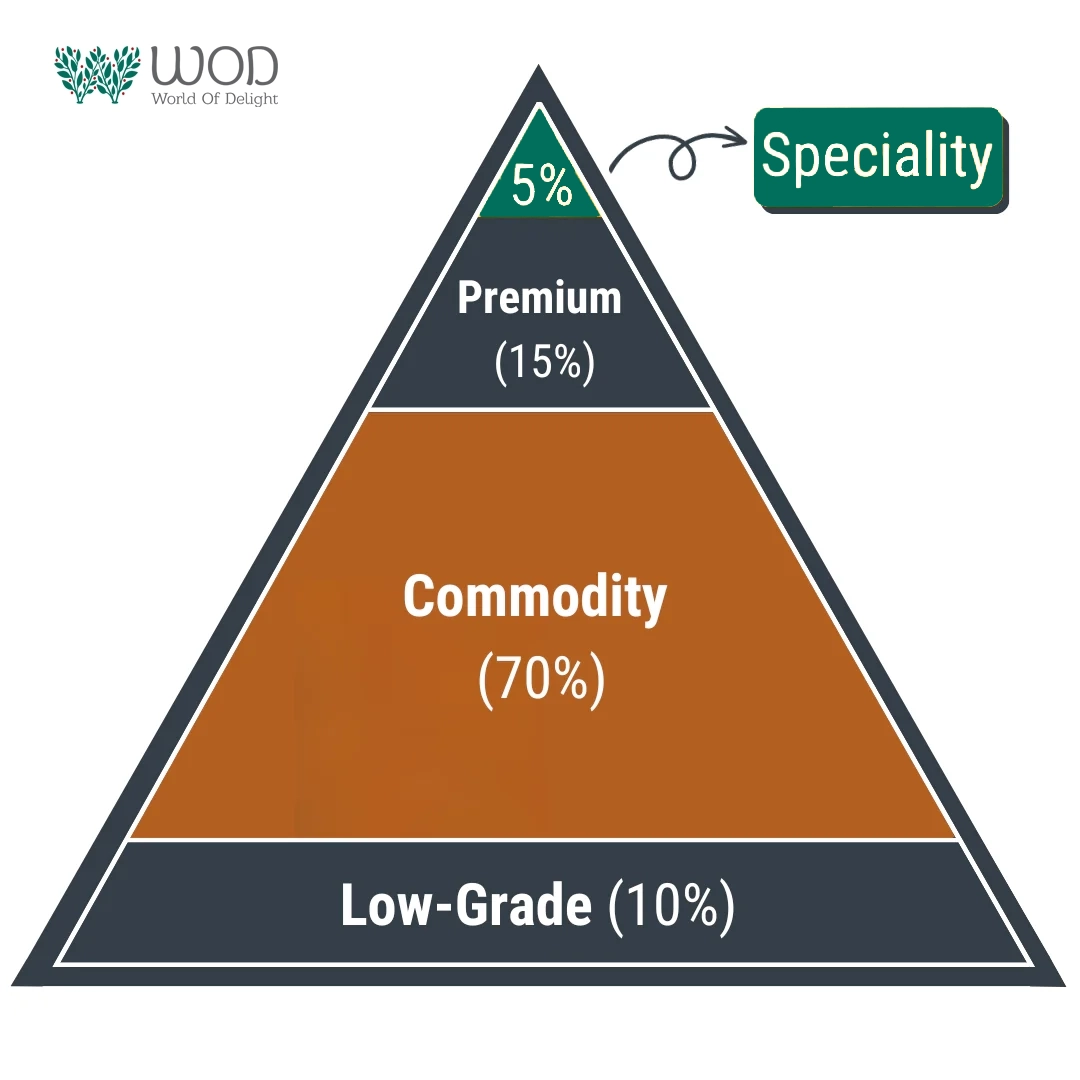
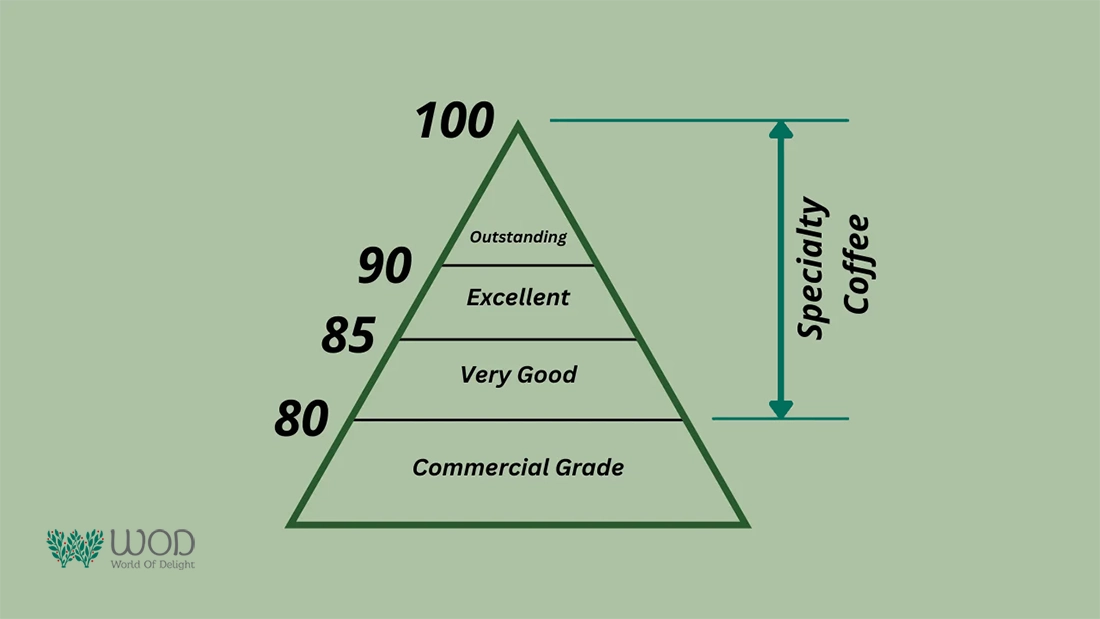
Not all coffee is created equal. Specialty coffee stands out as the pinnacle of quality in the coffee industry, distinguished by its meticulous cultivation, processing, roasting, and brewing. The term "specialty coffee" was first coined by Erna Knutsen in 1974 to describe beans of exceptional quality that exhibit unique flavor profiles, often influenced by the specific microclimates in which they are grown. Today, coffee is defined by the Specialty Coffee Association (SCA) as any coffee that scores 80 points or higher on a 100-point scale. This rigorous scoring system evaluates key attributes such as aroma, flavor, acidity, body, and aftertaste, ensuring that only the finest beans earn the specialty coffee designation.
To learn more about evaluating coffee before roasting, read the blog below.
Evaluate Green Coffee Beans Before Roasting
What sets specialty coffee apart from commercial coffee is the uncompromising attention to detail at every stage of production. Unlike mass-produced coffee, which prioritizes quantity and cost-effectiveness, specialty coffee is cultivated with precision and care. It typically comes from high-altitude farms, where cooler temperatures slow down the maturation of coffee cherries, allowing the beans to develop more complex flavors. Farmers use selective hand-picking methods to ensure that only the ripest cherries cut, eliminating underdeveloped or defective beans that could negatively impact the final cup.
Another defining characteristic of specialty coffee is traceability and transparency. Each batch of specialty coffee has a clear origin, often down to the specific farm or cooperative where it was grown. This contrasts sharply with commercial-grade coffee, which is frequently a blend of beans from multiple sources, masking the unique characteristics of individual growing regions. By maintaining traceability, specialty coffee highlights terroir, a concept borrowed from the wine industry that refers to the environmental factors—such as soil composition, altitude, and climate—that influence a coffee’s flavor.
Specialty Coffee Processing: A Key Factor in Quality
One of the most critical factors in specialty coffee production is the processing method. How coffee is processed after harvest directly influences its flavor profile and overall quality. Specialty coffee processing is meticulous, ensuring that only the best beans make it to the final cup. The three primary processing methods include:
- Washed (Wet) Processing
- Natural (Dry) Processing:
- Honey (Semi-Washed) Processing
Each processing method impacts the final cup, and roasters carefully select beans based on the desired flavor outcome.
Read " How Coffee Processing Affects Its Final Flavor" on this blog.
The Role of Farmers in Specialty Coffee
The journey of specialty coffee begins at the farm. Unlike commercial coffee, which prioritizes high yields and uniformity, specialty coffee farming focuses on quality and sustainability. Farmers employ techniques such as:
- Selective hand-picking to ensure only ripe cherries are harvested.
- Shade-growing methods that preserve biodiversity and improve bean development.
- Organic and regenerative farming practices that enhance soil health and protect ecosystems.
Many coffee producers work directly with farmers through direct trade models, ensuring fair compensation and fostering long-term relationships that benefit both growers and consumers.
Read "The Impact of Growing Conditions on the Flavor of Specialty Coffees" on this blog.
Roasting: Bringing Out the Best in Specialty Coffee
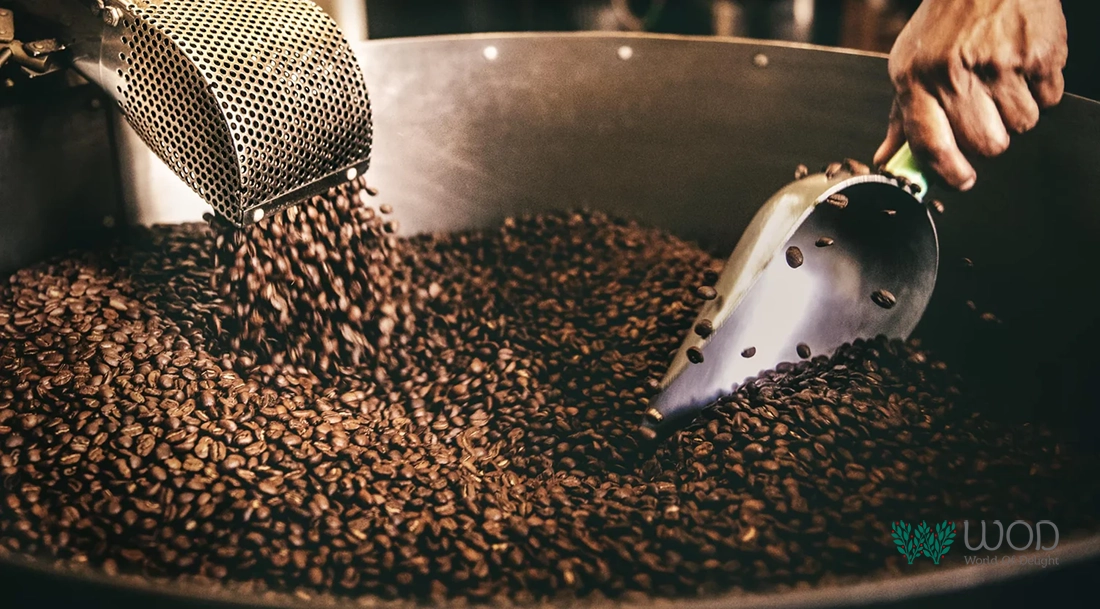
Roasting is another crucial step in this journey. Unlike mass-produced coffee, which is often over-roasted to mask defects, specialty coffee roasting is a precise, scientific process tailored to enhance each bean’s unique characteristics.
Specialty coffee roasters use small-batch roasting techniques, carefully adjusting variables such as temperature, time, and airflow. Lighter roasts often highlight a bean’s inherent flavors—such as fruity, floral, or nutty notes—while darker roasts may emphasize caramelization and body.
Roasters also engage in cupping sessions, a standardized method of tasting and evaluating coffee. This ensures consistency and allows roasters to refine their approach for the best possible flavor experience.
Brewing: The Final Step in the Specialty Coffee Experience
Even the highest-quality coffee can be ruined by poor brewing techniques. Specialty coffee enthusiasts emphasize precision in brewing to extract the best flavors. The key elements of a great brew include:
- Grind Size: Different brewing methods require different grind sizes to optimize extraction.
- Water Quality: Specialty coffee is best brewed with filtered water to avoid unwanted flavors.
- Brewing Method: Pour-over, AeroPress, French press, and espresso each bring out different aspects of the coffee’s profile.
Proper brewing ensures that the hard work of farmers, processors, and roasters translates into an exceptional cup.
Why Specialty Coffee Matters
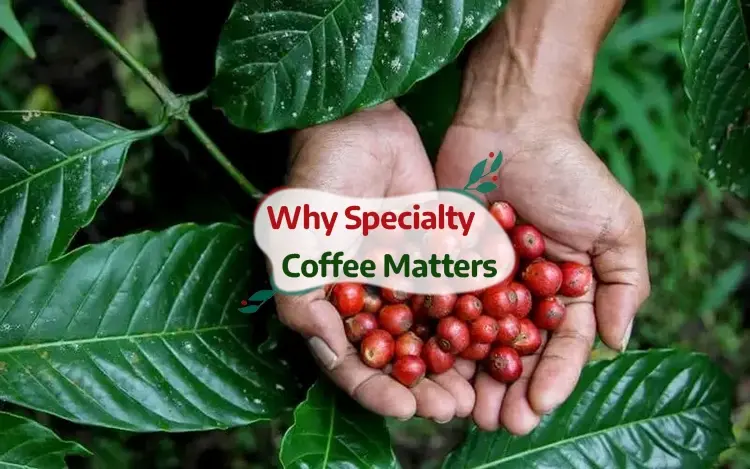
Specialty coffee isn’t just about taste—it represents an ethical, sustainable, and artisanal approach to coffee production. Choosing specialty coffee means supporting:
- Fair compensation for farmers through ethical sourcing.
- Environmental sustainability through responsible farming and processing.
- A superior coffee experience that highlights craftsmanship and transparency.
At WOD Specialty Coffee, we are committed to bringing you the finest coffee. Our blog serves as a knowledge hub for coffee lovers, offering deep insights into specialty coffee processing, brewing techniques, and industry trends. Explore our latest articles to learn more about the world of high-quality coffee.