
How Coffee Processing Affects Its Final Flavor

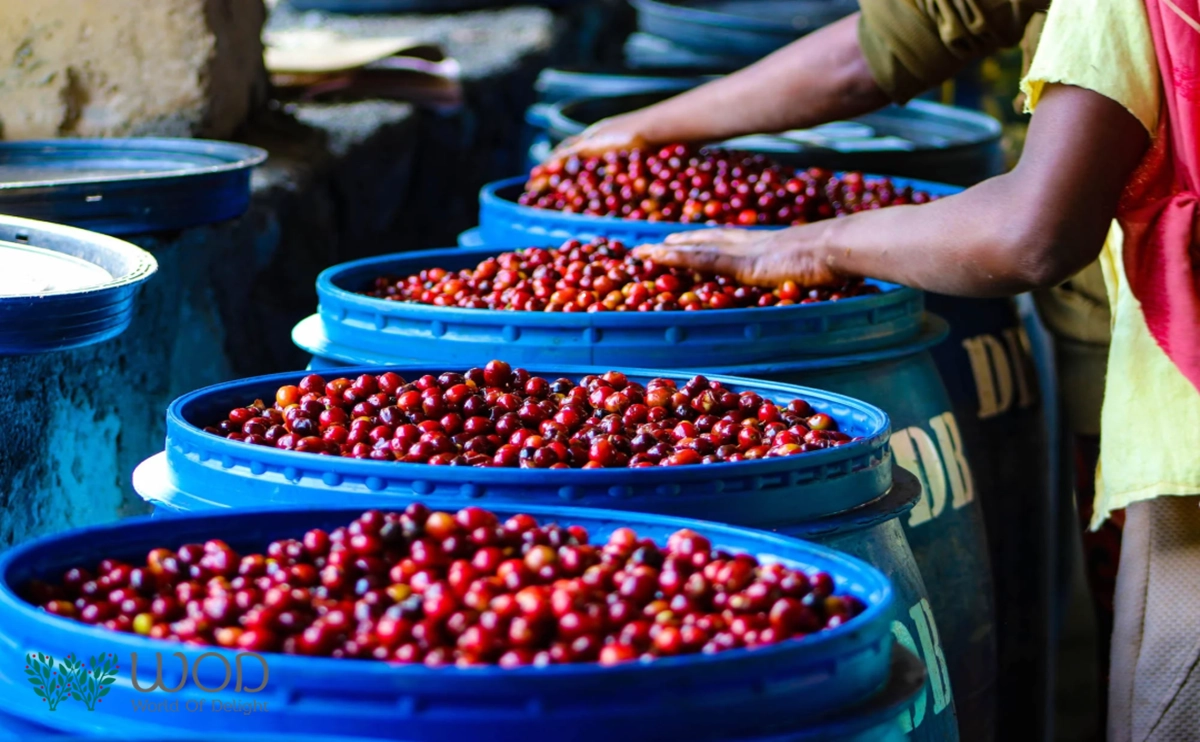
Coffee is more than just a beverage; it is a journey that starts with the harvesting of coffee cherries and unfolds through intricate processes until it reaches your cup. The processing methods employed after harvest play a significant role in determining the coffee flavor that you ultimately enjoy. By delving into the history of coffee processing, understanding its evolution, and exploring its modern applications, we can appreciate how each step transforms the bean and influences its taste.
1. The Roots of Coffee Processing: A Historical Perspective
The history of coffee processing is as rich and complex as the beverage itself. Coffee was first discovered in Ethiopia around the 9th century, consumed in raw or roasted form. As coffee cultivation spread to Yemen, the need for preservation and transport introduced the first documented processing methods. Initially, coffee beans were dried inside the cherry, a primitive version of what is now known as the natural process.

By the 16th century, coffee cultivation expanded to the Arabian Peninsula and Europe. This expansion brought experimentation with different processing techniques to enhance the coffee flavor and improve its longevity. The washed process, for instance, emerged as a significant advancement during the 19th century, setting the stage for the diverse methods used today. Each era’s innovations reflect humanity’s quest to extract the most desirable characteristics from the coffee bean.
2. Coffee Processing Methods: An Overview
The journey from coffee cherry to coffee bean involves removing layers of the fruit to reveal the seed.
First, you must become familiar with the coffee fruit and its components. The outer layer is called the exocarp, a thin skin that changes color as the fruit ripens (green to red or yellow). Beneath it lies the mesocarp, a pulpy layer that provides moisture and sugar during processing. The parenchyma is a thin, slimy layer surrounding the coffee seed, often removed during fermentation. Encasing the seed is the endocarp, also known as the parchment layer, which protects the coffee bean. Finally, the coffee seed itself is typically found as two beans inside the cherry, though single-seed cherries (peaberries) can occur.
This transformation is accomplished using several processing methods, each impacting the coffee’s final flavor. The three primary methods are natural, washed, and honey processing.


- Natural (Dry) Processing:
This method, one of the oldest, involves drying the coffee cherries with the fruit intact. The process is time-consuming and requires careful monitoring to prevent fermentation.
-
- Flavor Impact: Natural processing enhances fruity, wine-like notes in coffee. It also adds body and complexity but may introduce inconsistency if not managed carefully.
- Washed (Wet) Processing:
This method removes the fruit before drying. The beans are fermented in water tanks to break down the mucilage, then washed and dried.
-
- Flavor Impact: Washed coffees often exhibit bright acidity, clean flavors, and distinct clarity. This method highlights the bean’s inherent characteristics rather than the influence of the fruit.
- Honey Processing:
A middle ground between natural and washed methods, honey processing leaves some of the fruit’s mucilage on the bean during drying.
-
- Flavor Impact: Depending on the amount of mucilage left, honey-processed coffees can range from sweet and syrupy to balanced and fruity. They offer a unique mix of clarity and body.
3. Key Factors Influencing Coffee Flavor During Processing
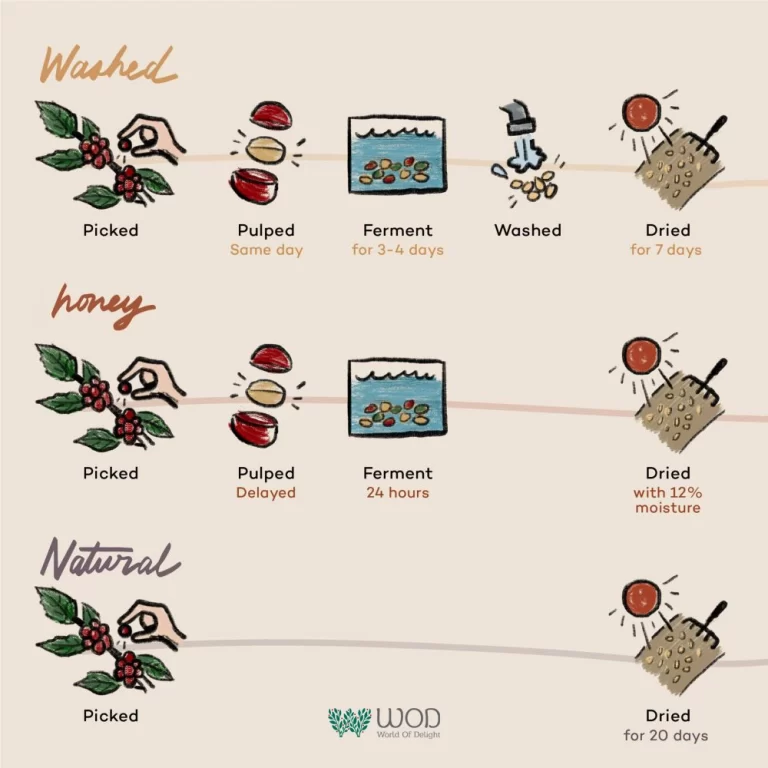
The journey of coffee from cherry to bean involves several critical variables, each of which plays a defining role in shaping the coffee’s flavor. Among these, fermentation, drying, water quality, and an additional factor harvest timing are particularly influential:
- Fermentation Time: During fermentation, natural enzymes and microorganisms break down the sugars and mucilage surrounding the coffee bean. This process releases a wide range of flavor compounds that directly impact the final taste. Longer fermentation times often result in enhanced fruity, wine-like notes and greater complexity. However, if fermentation is not closely monitored, it can lead to over-fermentation, which introduces undesirable off-flavors such as sourness or bitterness. Striking the right balance in fermentation duration is essential to bring out the desired flavor profile while avoiding defects.
- Drying Conditions: The drying phase is equally critical, as it stabilizes the chemical composition of the beans and prevents unwanted fermentation. Factors like temperature, humidity, and airflow must be carefully controlled. High temperatures or excessive humidity can slow the drying process or create uneven results, leading to inconsistencies in flavor. Properly dried beans retain their unique taste characteristics, whereas poorly managed drying can result in a flat or sour cup. For this reason, producers often use raised drying beds or controlled mechanical dryers to ensure uniform results.
- Water Quality: In washed (wet) processing, water is not just a medium but an essential element that influences the coffee flavor. Clean, fresh, and pH-balanced water prevents contamination and off-flavors during fermentation and rinsing. Poor water quality can introduce metallic, earthy, or stale notes into the coffee, overshadowing the bean’s natural qualities. As water interacts directly with the beans, maintaining its purity is a priority for producers aiming to achieve clarity and balance in their coffee.
- Harvest Timing: The timing of cherry harvest is a foundational factor in determining coffee flavor. Coffee cherries do not ripen uniformly, and picking cherries too early or too late can negatively affect the taste. Under-ripe cherries often produce astringent, grassy, or sour notes, while overripe cherries can contribute to a fermented or overly sweet flavor. Only perfectly ripe cherries, which are bright red or yellow depending on the variety, provide the desired balance of acidity, sweetness, and complexity. Skilled producers and pickers use selective harvesting techniques, ensuring that only the ripest cherries are processed. This attention to detail ensures the final cup fully represents the bean's potential.
Each of these factors must be meticulously managed to ensure the coffee’s flavor profile reflects its origin, variety, and processing method. Small changes at any stage can significantly affect the final brew's quality and taste.

4. Modern Innovations in Coffee Processing
The coffee industry has seen a surge of innovation as producers experiment with new techniques to enhance the coffee flavor. These include:
- Anaerobic Fermentation: This method involves fermenting coffee in sealed tanks without oxygen, creating unique flavors such as spicy, tropical, or even savory notes.
- Carbonic Maceration: Borrowed from winemaking, this process ferments whole coffee cherries in a controlled environment, emphasizing vibrant and complex flavors.
- Experimental Yeasts: Some producers add specific strains of yeast during fermentation to amplify desirable flavor compounds, resulting in coffees with enhanced sweetness and aroma.
These innovations cater to specialty coffee enthusiasts who seek distinct and unconventional flavor experiences.
5. The Science Behind Coffee Processing and Flavor
The relationship between coffee processing and flavor is deeply rooted in biochemistry. During fermentation, microbial activity breaks down sugars, acids, and other compounds in the fruit. This process creates new flavor compounds, which influence the coffee’s aroma, taste, and mouthfeel.
For instance, lactic acid fermentation can produce creamy and buttery flavors, while acetic acid fermentation introduces brighter and more acidic notes. Additionally, the drying phase contributes to the Maillard reaction during roasting, further shaping the coffee flavor. Understanding these chemical transformations enables producers to fine-tune their processes for optimal results.
6. Specialty Coffee and the Role of Processing Methods
Specialty coffee thrives on diversity and quality, both of which are significantly influenced by coffee processing. Farmers and producers who focus on specialty coffee prioritize meticulous methods to highlight unique flavor profiles. For consumers, the processing method listed on the coffee bag offers a clue about the expected flavor notes.
For example, a natural-processed Ethiopian coffee may promise vibrant berry flavors, while a washed Colombian coffee delivers crisp citrus and floral notes. The transparency of processing methods allows specialty coffee drinkers to appreciate the artistry and science behind each cup.

Conclusion: From Bean to Cup, Every Step Matters
Coffee processing is an art and science that bridges the gap between the farmer’s labor and the consumer’s experience. Each method—natural, washed, honey, and experimental—brings out unique flavors, offering a diverse palette of tastes to explore.
At WOD Specialty Coffee, we celebrate the intricate journey of coffee, from green bean to final brew. Our blog dives into topics like coffee processing, green coffee beans, and brewing techniques to educate and inspire coffee enthusiasts. Visit our blog at WOD Specialty Coffee to explore more about the world of specialty coffee and unlock the secrets behind your favorite beverage.