The Process of Preparing Green Coffee Beans: From Harvest to Export
Introduction: Why the Preparation of Green Coffee Beans Matters
Green coffee beans form the foundation of a high-quality cup of coffee. The process of preparing green coffee beans is essential to preserving their flavor, aroma, and quality. This journey, from harvest to export, involves several meticulous stages that require expertise and attention to detail. In this article, we will explore each step and its impact on the production of specialty coffee.
- Harvesting Green Coffee Beans: The First Step to Quality
Harvesting coffee is the initial and one of the most crucial steps in preparing green coffee beans. It is typically done in two ways: hand-picking and mechanical harvesting. In specialty coffee farms, hand-picking is preferred as it ensures the selection of only ripe cherries. This precision ensures the initial quality of the beans, preventing unripe or overripe cherries from entering the process.
Mechanical harvesting, often used in larger farms, may lack the same level of accuracy. The careful selection of cherries at this stage has a direct impact on the final flavor of the coffee.
- Processing Green Coffee Beans: From Farm to Factory
After harvesting, the coffee cherries must be separated from their fruit. This stage, known as coffee processing, can be done using various methods:
Natural Processing:
In this method, the whole coffee cherries are dried before the beans are separated. This imparts fruity and sweet flavors to the coffee.
Washed Processing:
Here, the beans are separated from the fruit through washing and fermentation. This method produces coffee with a clean flavor profile and high acidity.
Honey Processing:
A combination of the two previous methods, honey processing results in balanced flavors with mild sweetness.
Each method significantly influences the flavor and aroma of specialty coffee and is chosen based on the production region and climatic conditions.
- Drying Green Coffee Beans: The Importance of Moisture Control
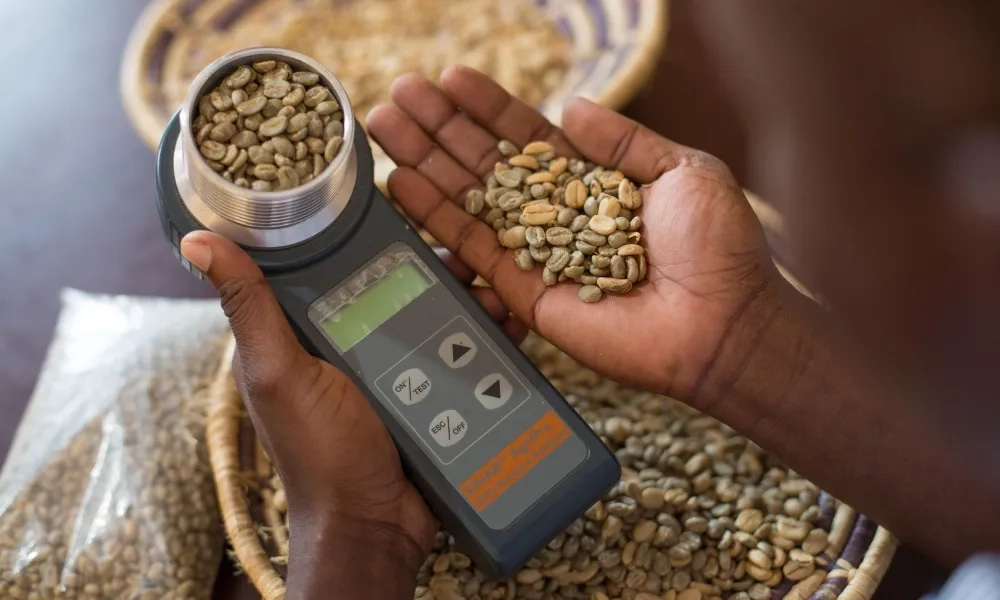
Drying is a critical phase in preparing green coffee beans. At this stage, the beans' moisture content is reduced to a level that prevents spoilage. Drying is typically carried out either in open-air environments or with the help of mechanical dryers.
Precise moisture control is vital. Over-dried beans can become brittle, while overly moist beans are prone to mold. The standard final moisture content for green coffee beans destined for export is usually between 10% and 12%.
4. Sorting and Packaging: Ready for the Global Market
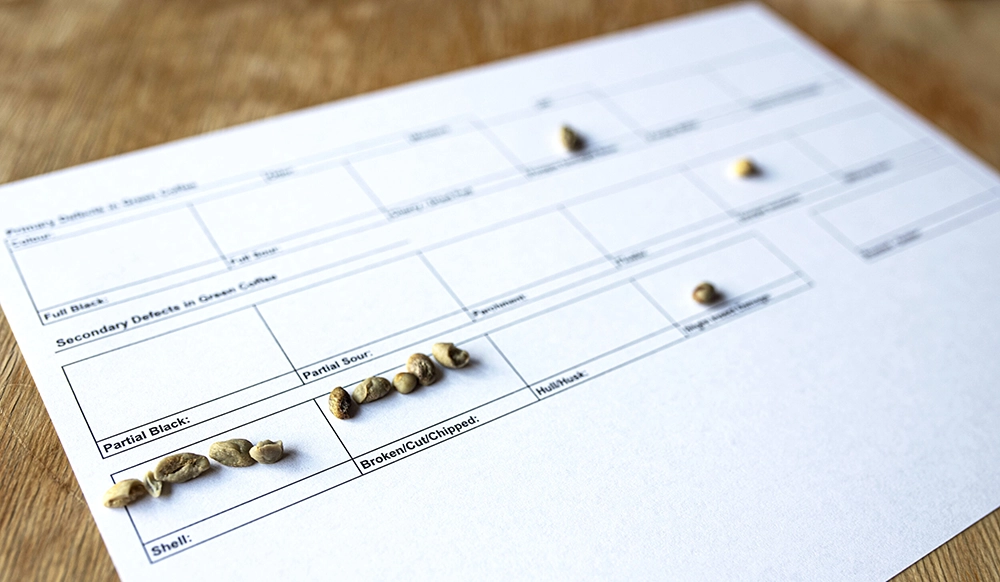
After drying, coffee beans are sorted based on size, weight, and quality. This stage involves screening and separating defective beans. Accurate sorting is critical for the green coffee export market.
Grade 1 beans are typically reserved for specialty coffee markets, while lower-grade beans are used for commercial purposes. Proper packaging, such as jute bags or vacuum-sealed containers, is crucial for preserving the beans' aroma and flavor.
- Quality Control: Ensuring Specialty Coffee Standards
Quality control is conducted at every stage of the green coffee preparation process. From testing raw beans to evaluating roasted samples, these checks ensure that the final product meets specialty coffee standards.
Laboratory analyses include assessments of acidity, aroma, flavor, and even the detection of mold or contamination. This level of precision prepares green coffee beans for the specialty market.
- Exporting Green Coffee Beans: A Step Towards Global Markets
The final stage in the preparation process is the export of green coffee beans. The packaged beans must comply with international standards. Exporters often collaborate with buyers worldwide to deliver the best products to consumers.
Supply chain management and ensuring timely delivery are critical parts of this process. The final quality of the beans, appropriate packaging, and transparency in export documentation are key factors in successful green coffee exports.
Conclusion: The Art of Preparing Specialty Green Coffee Beans
The preparation of green coffee beans is a blend of art and science, requiring precision and expertise. Every stage, from harvest to export, profoundly impacts the final quality of the coffee. Attention to detail during these stages results in a specialty coffee experience for consumers.
The Wod Specialty Coffee Blog serves as a comprehensive resource for learning about various aspects of coffee and its preparation processes. Our goal is to provide technical and practical knowledge to coffee enthusiasts so they can enjoy the best coffee experience.