
Coffee Cupping: Tasting Like a Pro

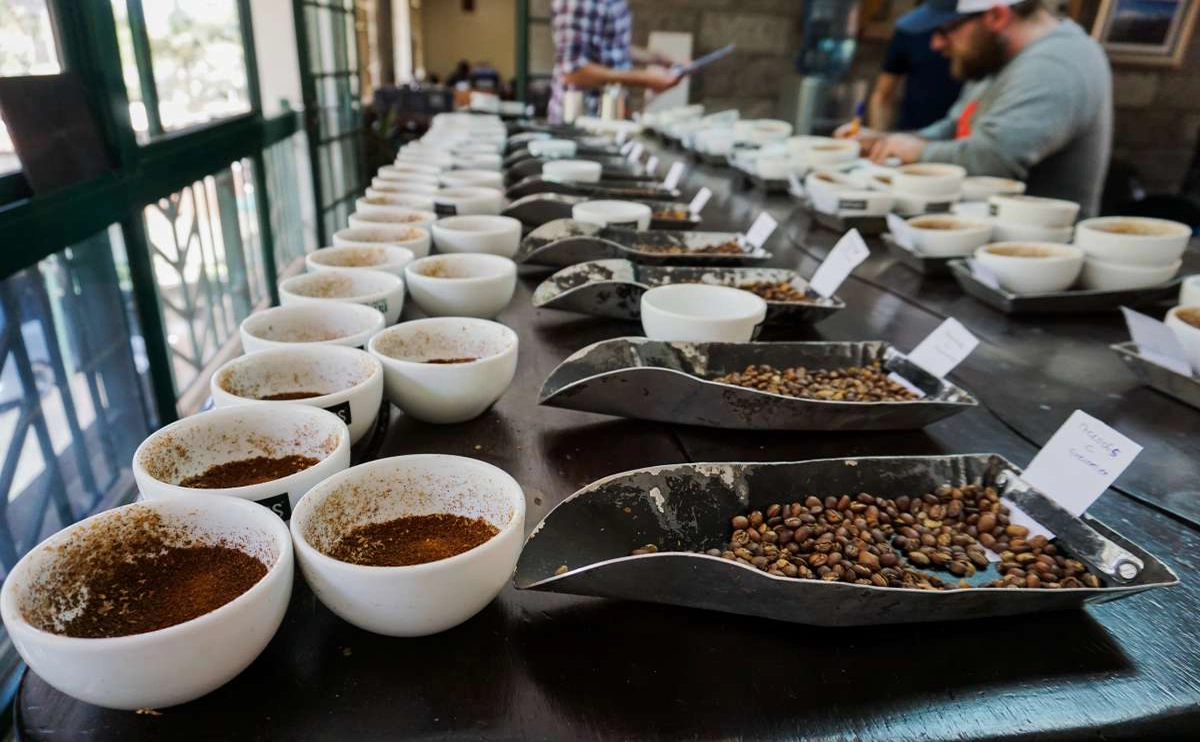
The Origins of Coffee Cupping: A Journey Through Time
Coffee cupping is an essential practice in the coffee industry, but its origins date back centuries. Traders and roasters in the late 19th century used cupping to assess the quality of beans before purchasing large quantities. As the global coffee trade expanded, this method became standardized, allowing professionals to develop a systematic approach to evaluating coffee flavors. Today, specialty coffee cupping is a critical tool for roasters, producers, and enthusiasts alike, ensuring quality and consistency across different batches and origins.
But why is coffee cupping so important? The primary purpose is to analyze the aroma, flavor, body, and aftertaste of coffee. Unlike casual coffee drinking, cupping follows a structured methodology that isolates sensory attributes, allowing professionals to compare different coffees objectively. Whether selecting beans for commercial production or training the palate, cupping remains the gold standard for professional coffee tasting.
What Is Coffee Cupping? Understanding the Basics
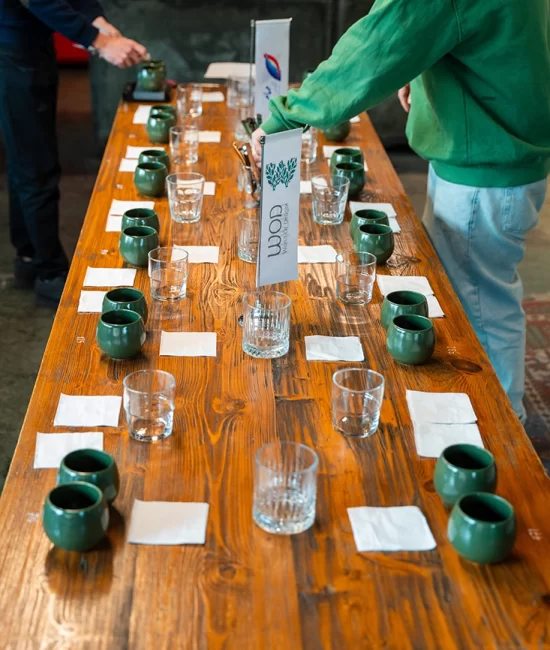
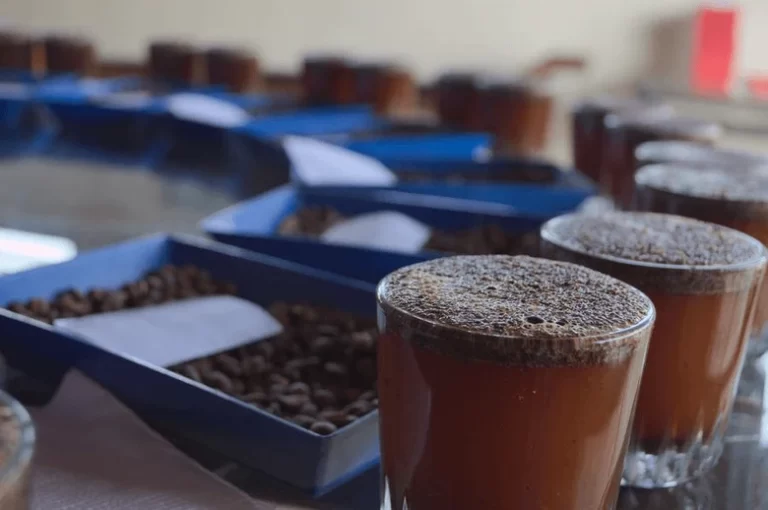
Coffee cupping is a controlled sensory evaluation method used to assess coffee’s characteristics. It involves brewing coarsely ground coffee in hot water and slurping it from a spoon to analyze its taste. Unlike espresso or drip coffee, cupping requires no filter, allowing all the coffee’s soluble compounds to remain in the cup, providing a fuller picture of its profile.
A well-structured cupping guide includes evaluating:
- Aroma: The first impression of the coffee’s scent before and after adding water.
- Flavor: The overall taste experience, including sweetness, acidity, and bitterness.
- Body: The texture and weight of the coffee in the mouth.
- Aftertaste: The lingering sensations after swallowing.
- Acidity: The brightness and liveliness of the coffee.
By focusing on these factors, coffee professionals can determine the quality of a batch and identify desirable or undesirable traits.
Setting Up a Professional Coffee Cupping Session
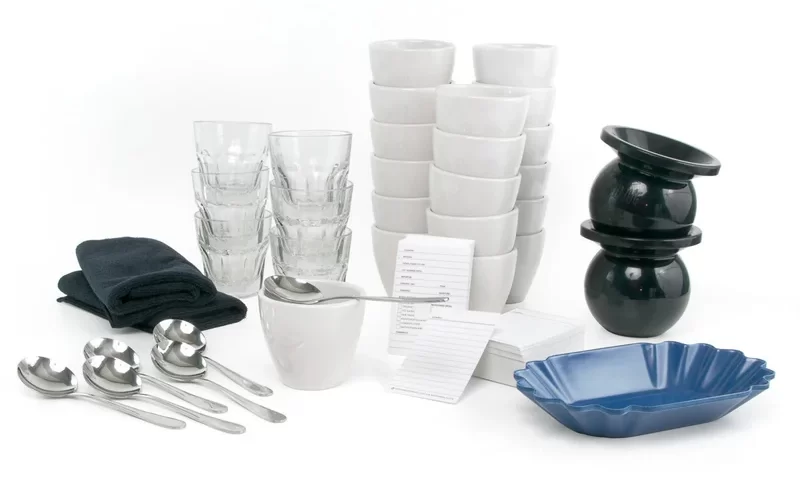
To conduct a professional coffee tasting, you need a structured environment. Consistency is key, and even small variables can impact the results. Here’s what you need:
Essential Tools for Cupping:
- Freshly roasted whole-bean coffee
- A burr grinder for uniform grind size
- Hot water at 200°F (93°C)
- Cupping bowls or glasses (ideally 150-200ml)
- Cupping spoons (deep, round bowls for slurping)
- A timer
- A cupping score sheet
The Step-by-Step Process:
- Grind the Coffee: Use a coarse grind similar to the French press consistency.
- Smell the Dry Grounds: Take note of the coffee’s dry aroma.
- Add Water: Pour hot water over the grounds and let them steep for 4 minutes.
- Break the Crust: Stir the top layer with a spoon while inhaling deeply.
- Skim the Surface: Remove floating grounds for a clean cup.
- Slurp and Taste: Use a spoon to slurp coffee, covering the entire palate.
- Evaluate and Score: Record flavor notes and assign scores.
Following these steps ensures an objective, repeatable process that delivers valuable insights into each coffee sample.
Decoding Coffee Flavors: What to Look for During Cupping
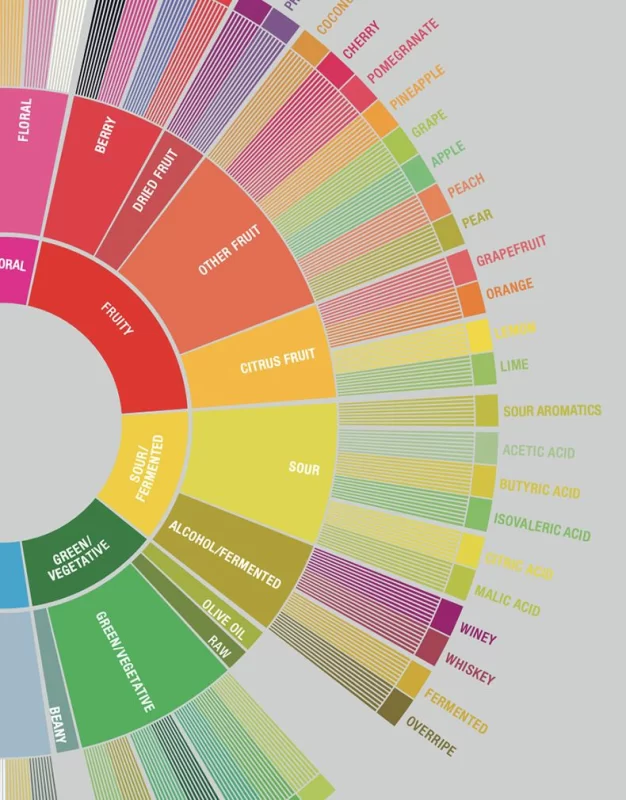
Identifying coffee flavors requires a trained palate, but even beginners can start by recognizing key tasting notes. The coffee flavor wheel is a valuable tool, categorizing coffee flavors into broad and specific characteristics. Common tasting notes include:
- Fruity: Berry, citrus, tropical fruit
- Nutty & Chocolaty: Almond, hazelnut, cocoa
- Floral: Jasmine, rose, lavender
- Spicy: Cinnamon, cardamom, clove
- Sweet: Honey, caramel, brown sugar
Professional coffee tasters develop their sensory skills over time, refining their ability to detect subtle differences between coffees. With practice, even casual drinkers can improve their ability to recognize distinct characteristics.
Why Coffee Cupping Matters in the Specialty Coffee Industry
Specialty coffee cupping is more than just a tasting exercise—it plays a crucial role in the industry. Roasters rely on cupping to:
- Select High-Quality Beans: Farmers and traders use cupping to evaluate coffee before export.
- Ensure Consistency: Roasters cup each batch to maintain quality control.
- Train Baristas and Tasters: Developing a refined palate helps professionals prepare better coffee.
- Understand Roast Profiles: Cupping helps determine how roasting impacts flavor development.
For coffee professionals, regular cupping sessions are a necessity, ensuring that every coffee meets the highest standards before reaching consumers.
Common Mistakes in Coffee Cupping and How to Avoid Them
Even experienced tasters can make errors during cupping. Here are some common mistakes and how to prevent them:
- Inconsistent Water Temperature: Always use 200°F (93°C) water for consistent results.
- Uneven Grind Size: A burr grinder ensures uniform extraction.
- Rushing the Process: Allow proper steeping and take time to analyze each coffee.
- Overpowering Aromas: Avoid wearing perfumes or using strong-smelling soaps before cupping.
- Neglecting Notes: Always record observations for future reference.
By avoiding these pitfalls, you’ll improve your accuracy and develop a sharper palate.
Conclusion: Elevate Your Coffee Experience with Cupping
Coffee cupping isn’t just for professionals—it’s an enriching experience for anyone passionate about coffee. Whether you’re a roaster, barista, or home brewer, understanding the nuances of different coffees can deepen your appreciation and help you select better beans. Practicing cupping regularly refines your ability to detect subtle flavors, ultimately leading to a more rewarding coffee experience.
At WOD Specialty Coffee, we emphasize the importance of quality and flavor in every cup. Our blog educates coffee lovers about brewing techniques, specialty coffee cupping, and industry trends. If you’re eager to expand your coffee knowledge, explore our latest articles, elevate your coffee journey, and stay in touch via the Contact Us page or sidebar.